The Anatomy of the Second Body

Updated: Aug 28, 2021

What is the subtle body?
The heart beats, the muscles contract, the lungs breathe, the eyes blink, the tummy grumbles – these are all aspects of our anatomy that we know and understand. All proof of us being alive; that our bodies are working for us. Western medicine has taught us the intricacies of our respiratory, circulatory, digestive and reproductive systems and we’ve all been subjected to those school lab dissections that prove to us our inner workings. But while Western medicine focuses on these tangible and scientific measures of life, Eastern medicine directs its focus to the spiritual aspect of the human experience, adding to the complexity of the human body with its dissection of ‘the subtle body’. The subtle body is a second anatomical structure that focuses on the flow of an invisible energy or ‘prana’ (life-source energy). It is this energy that helps to balance all anatomical functions. The Eastern awareness of this subtle energy system creates a more holistic approach to wellness by fully integrating mind and body.
The belief in the subtle body is fundamental to ancient yogic and Tibetan Buddhist practices which placed great emphasis on understanding the flows of energy within us, and went as far as to map out a complex subtle body anatomical structure which includes over 72,000 ‘nadis’ or flows. And here is where it gets really interesting…
The Nadis
The word Nadi literally means flowing water or river. It is important to remember that while they are similar in concept. the nadis, unlike veins and arteries, are not visible structures and cannot be studied under a microscope. These are subtle energy channels that direct the flow of prana (life force energy) through the body.
While there are many thousands of nadis flowing through the body there are said to be 3 major nadis which travel through the central axis of the body (the spine), criss crossing around each other in a double helix like pattern (a nod to the shape of DNA). Wherever these 3 nadis intersect, a chakra is formed. All 7 chakras run up the central pathway and it is here that subtle energy pools, coagulates and then branches off into the other thousands of nadis. In ayurvedic medicine, it is an imbalance in the flow of prana in the chakras that causes ill health. The subtle body therefore can impact upon the physical.
The Nadis are believed to join forces at the very top, right between our brows at the third eye chakra which is responsible for inner vision and consciousness. The fact that the river flows into the ocean of consciousness highlights the emphasis in yogic philosophies on the spiritual plane.

Lets look a little deeper into the 3 major nadis:
1) Sashumna Nadi: This is considered to be the most important of all energy channels. It begins at the base of the spine and connects to the crown of the head. This channel acts as a highway for a coiled serpent-like energy called the kundalini which sits dormant at the root chakra. Once enlivened the kundalini can travel up the sashumna nadi, activating every chakra in its path on its journey to the Crown Chakra. The crown chakra when activated is the pinnacle of enlightenment. When the sashumna is balanced we therefore can reach true harmony and connection to the Divine. So in a nutshell, this Nadi is kind of a big deal!
2) Ida Nadi: This channel runs from the base of the spine, hitting every chakra point before eventually terminating in the left nostril. This nadi is associated with our lunar side (our ‘yin’) which is softer, cooler, more feminine and creative.
3) Pingala Nadi: As the others, it begins at the base of the spine, meets at each chakra point and eventually releases at the right nostril. This nadi is associated with the solar side (our ‘yang’) which is stronger, lighter, more analytical and more masculine.
Energetic Medicine
You may have never heard of the nadis or the subtle body before, but concepts of the energy body and energy healing have been around for thousands of years. Though terms like prana, nadis, chi, yin an yang etc are fairly new to Western vernacular, you may have unknowingly tried your hand at some practices designed to manipulate them.
Yoga for example is one. Softer yoga classes such as Yin Yoga or restorative yoga are designed to target the Ida Nadi, whereas more active yoga practices like Ashtanga or Vinyasa which generate a lot of heat target the Pingala Nadi. Hatha yoga in contrast fuses both lunar and solar energies balancing both the ida and pingala. You may have even come across yoga classes where a type of pranayama (breath) called the Nadi Shodhana is used. Nadi Shodhana literally means channel cleansing and involves alternate nostril breathing to cleanse and balance the two energetic channels.
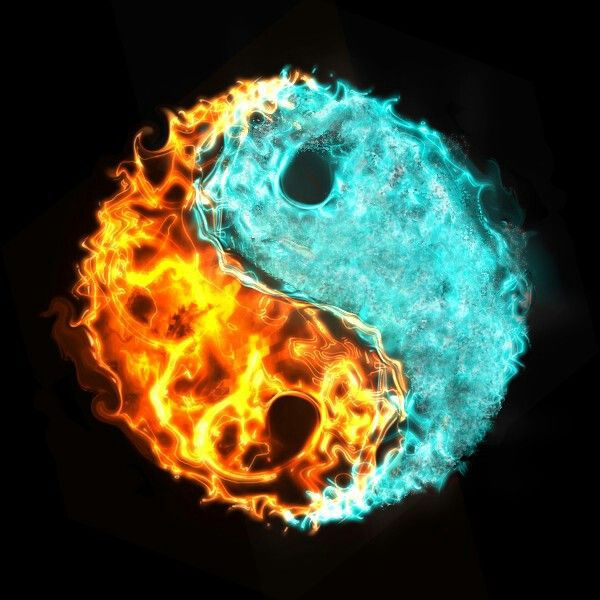
Chinese medicine also uses the concept of the human energy field and attempts to keep it flowing. Oriental wisdom has taught that ‘Chi’, or prana in yogic philosophies, is like electricity: although you cannot see it, you know it exists because you can feel it. When Chi (vital energy) is balanced, we become centered, focused and altogether healthier, however when Chi becomes unbalanced we suffer from stress or depression, and those negative emotions create very real physical problems. It likewise believes that if you take care of your subtle body the physical will follow suit. Qigong is an ancient Chinese practice which helps to cultivate energy and, similar to yoga, includes physical postures aligned with breathwork and intention. From Tai Chi to Kung Fu the aim of Quigong is to harmonize the mind, body and spirit. Acupuncture is another Chinese tradition of energetic healing which believes that needling can influence the flow of Chi in the body.
Japan also created forms of energy healing. Shiatsu massage involves applying pressure to points in the body thought to be connected to energetic pathways called Meridians and by stimulating these points the flow of energy can be redirected or balanced to cure a range of physical afflictions. Likewise Japanese Reiki, involves the transfer of universal energy from the palms of the practitioner.
Mindfulness in the West
The disjointed view of the mind and the body in the West has complicated our approach to healing and general wellbeing. The idea of using one to heal the other in the Western world is only just entering our sphere of understanding, but typically for a physical problem we would seek a doctor or reach for medications, and for emotional issues we may look to yoga or meditation which we place under the umbrella term of ‘mindfulness’. The body and the mind are therefore typically seen here as separate entities to be treated individually and the concept of a subtle body is virtually non-existent.
But what if we approached mind, body and spirit, as in ancient Eastern cultures, as completely interconnected? What if our practices of wellness included regular activity for both the subtle and physical body? If we were more attune to the complexities of both systems perhaps we could not only improve the longevity but the quality of life, and help to reduce modern day ailments caused by stress and anxiety.
We already know that physical movement heals, but aside from working out our muscles perhaps we need a greater focus on the correct flow of subtle energies. A workout for the subtle body too.


Comments